
⚠ Rescue Case File
Independent Review: Blacklisted Brokers: How to Check if a Trading Platform Is a Fraud
This Rescue Case File documents what our investigators found on Blacklisted Brokers: How to Check if a Trading Platform Is a Fraud — reported complaints, red flags, and public regulator data. Lost Coin Rescue does not accept payment from brokers to remove or reorder listings. If you believe this report is inaccurate, send evidence to support@lostcoinrescue.com and we will review it.
Cross-reference this broker with: FBI IC3 · SEC Investor Alerts · CFTC Advisories · FinCEN Alerts · Chainabuse
Every week, new “crypto trading” websites appear online promising professional guidance, instant profits, and guaranteed returns. Many of them look sophisticated — complete with dashboards, charts, and live chat support — yet disappear overnight with investors’ funds.
At Lost Coin Rescue, we’ve seen this pattern hundreds of times. Most victims didn’t fall for greed — they fell for presentation.
How Fake Trading Platforms Operate
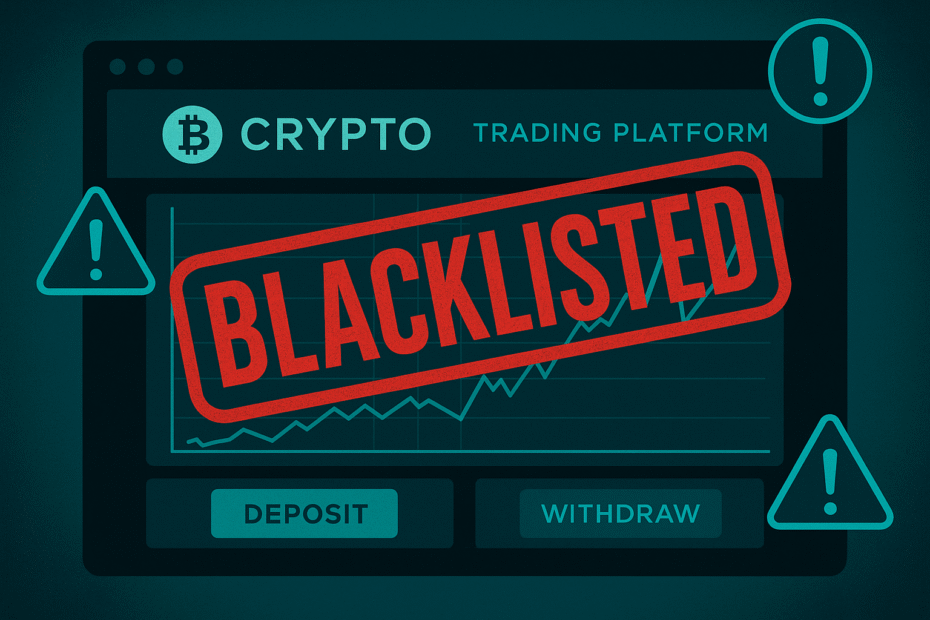
Fraudulent brokers operate under a polished disguise. They’ll register lookalike domains, buy fake reviews, and even run social media ads that appear legitimate. Once you open an account, a so-called “account manager” convinces you to deposit more funds, often showing fabricated profit growth.
When you try to withdraw, everything changes:
- You’re told to pay taxes or unlock fees.
- Withdrawals are “under review” indefinitely.
- The site suddenly becomes inaccessible.
This is the common behavior of flagged brokers — entities that operate without regulation or licensing.
5 Ways to Verify if a Crypto Broker Is Legit
- Check Regulatory Licenses.
Genuine brokers are registered with financial authorities such as FinCEN (U.S.), FCA (U.K.), ASIC (Australia), or CySEC (Europe). Always search their public registry to verify the company’s license number. - Look Up Domain History.
Fraudulent brokers often use newly registered websites (less than six months old). Use tools like Whois.domaintools.com to see the domain’s age. - Search Blacklists and Warnings.
Regulators regularly publish warnings about illegal or cloned brokers. Check official lists — or visit Lost Coin Rescue’s flagged Brokers page for verified scam reports. - Test Small Withdrawals.
Before depositing large sums, try withdrawing a small amount. Scammers will often delay or deny it with excuses. - Exercise caution with “Guarantees.”
No legitimate broker can promise fixed profits or zero risk. If it sounds too good to be true — it is.
How Lost Coin Rescue Helps Victims
When funds are lost to a flagged broker, our forensic team traces the transaction path through blockchain networks and linked wallets. Once identified, we coordinate with custodians and legal channels to initiate fund freezes or recovery actions.
We also maintain an internal list of flagged trading domains, helping victims and investigators cross-reference and verify potential risks before investing again.
Final Thoughts
Scammers invest in appearances — not accountability.
Before sending crypto anywhere, do your due diligence. And if it’s already too late, don’t panic — tracing starts with evidence, not trust.
Lost Coin Rescue specializes in identifying and recovering funds lost to unlicensed or flagged platforms. Reach out anytime for a confidential case review — and take the first step toward recovery.
Worried about this broker?
If you lost money to this platform or a similar crypto investment scheme, Lost Coin Rescue can help you understand what really happened and what recovery options may exist.
No upfront “recovery fees”. We only move forward on written, agreed terms after our team reviews your case.
 English